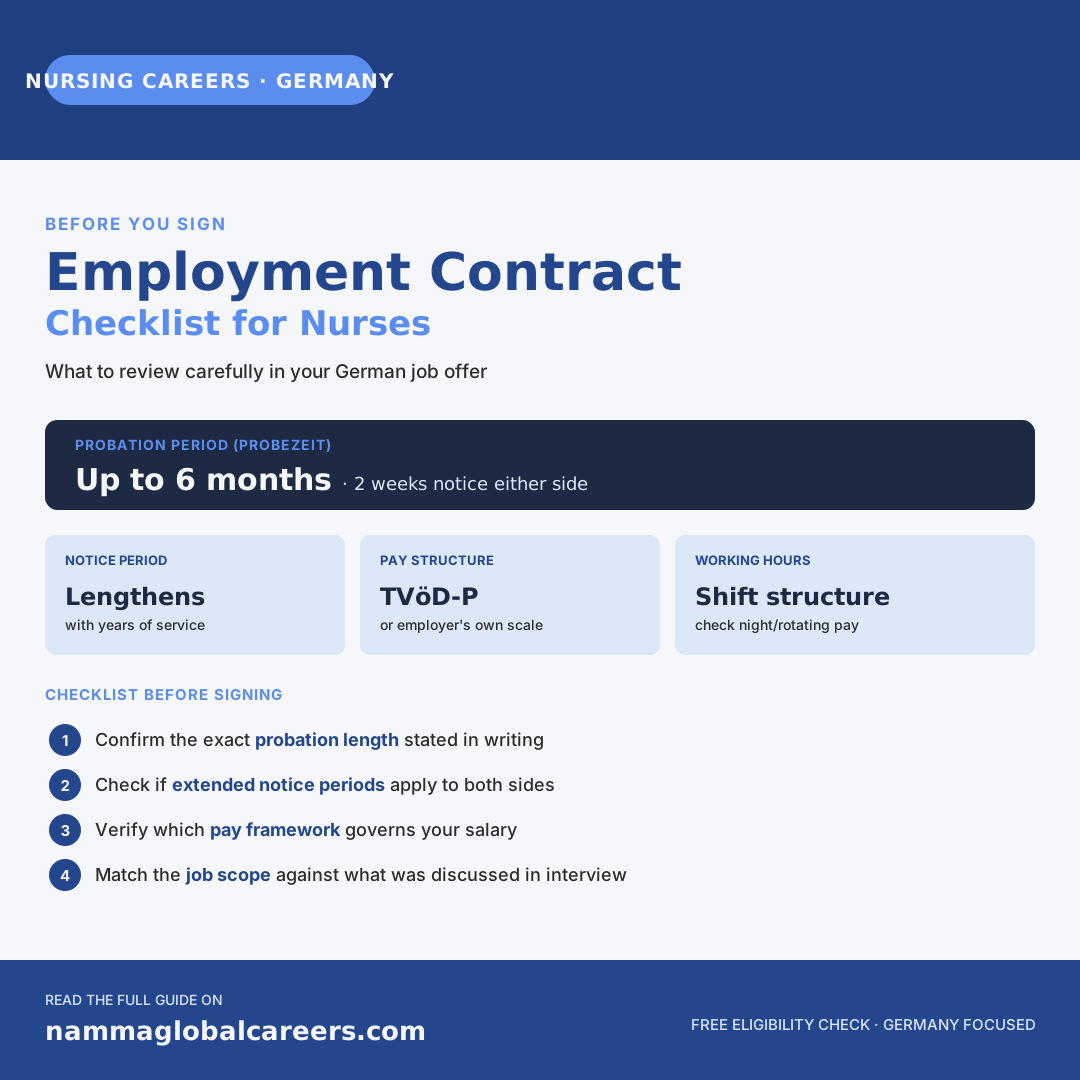
Getting a job offer from a German employer is a genuine milestone, but the contract itself, the Arbeitsvertrag, is worth reading carefully before you sign, not just skimming for the job title and start date. A few specific elements are worth understanding clearly, since they shape your day-to-day working life far more than the offer letter's headline details.
The Probationary Period (Probezeit)
Most German employment contracts include a Probezeit, a probationary period, which can legally run up to a maximum of six months. During this period, either side can end the contract with just two weeks' notice, a much shorter timeline than applies afterward. This isn't unusual or a sign the employer is hedging, it's standard practice across German employment generally, but it's worth knowing the exact length specified in your contract and that this shorter notice period applies equally to both you and the employer.
Notice Periods After Probation
Once the probationary period ends, notice periods lengthen according to German law, generally starting at four weeks and extending further with tenure, for example, growing to one month after two years of employment, and continuing to lengthen at five and eight years. It's worth checking whether your contract states these extended periods apply to both sides equally, since by default, some of these extended notice periods legally protect only the employee from a sudden dismissal, not the other way around, unless the contract specifically states otherwise.
Which Pay Structure Applies
If your employer is a public hospital or municipal facility, your contract should reference TVöD-P, the collective bargaining structure covering nursing and care staff in the public sector. Some employers, particularly church-affiliated organisations, use their own separately negotiated but comparable structures instead. Either way, understanding which framework applies tells you how your pay grade, experience-based progression, and any additional allowances are actually structured, rather than relying only on the headline salary figure in your offer.
Working Hours and Shift Structure
Your contract should clearly state your contracted working hours, and for nursing roles specifically, how shift work, particularly night and rotating shifts, is structured and compensated. This matters because shift patterns in Germany are often governed by specific legal limits on working time, and understanding your actual expected schedule before signing avoids surprises once you start.
Job Description Scope
It's worth checking that the role and responsibilities described in your contract match what was discussed during your interview process. A vague or overly broad job description isn't necessarily a problem, but it's worth clarifying verbally with your employer if anything in the written scope feels different from what you understood the role to involve.
What Happens If You Need to Leave Early
Understanding your own notice obligations matters just as much as understanding the employer's. If your circumstances change, family reasons, a better opportunity, or simply finding the role isn't the right fit, knowing your actual notice period in advance means you can plan a transition properly rather than being caught off guard by how much notice you're contractually required to give.
Why This Matters More for International Hires
For a nurse who has just relocated internationally, often with a visa tied to specific employment, understanding your contract terms clearly matters more than it might for someone already established locally with other options nearby. Taking the time to read through probation length, notice periods, and pay structure before signing isn't about distrust, it's simply informed decision-making before committing to a major life transition.
A Sensible Approach Before Signing
None of this needs to feel intimidating. Most German employment contracts for nursing roles are fairly standard and follow well-established conventions. The goal isn't suspicion, it's simply making sure you understand what you're agreeing to, particularly around probation length, notice periods, and pay structure, so that nothing about your first months in a new country and a new job comes as an unexpected surprise.

Written by
Balaji Mohanakrishnan
Founder and CEO, Namma Global Careers
Received a job offer and want a second pair of eyes on the contract? Message us on WhatsApp before you sign.
Chat on WhatsApp